Tokyo for First-Timers: Temples, Ramen, and Neon Streets
Navigate Japan's capital with confidence — from Shibuya Crossing to serene shrines, plus tips on JR Pass and etiquette.
Tokyo can feel overwhelming at first, but its immaculate transport, clear signage, and neighbourhood charm make it one of the most rewarding cities in Asia for first-time visitors from India. Japan blends ancient ritual with cutting-edge design; give yourself at least five to seven days to scratch the surface without constant rushing between districts. Direct one-stop flights from Delhi, Mumbai, and Bengaluru via Singapore, Bangkok, or Gulf hubs are common — compare total journey time and baggage rules on KAYAK, not headline fare alone.
Indian passport holders need a visa for Japan — apply through VFS with your itinerary, financial proof, and confirmed bookings. Processing times vary, so start early. Most travellers fly into Narita (NRT) or Haneda (HND); Haneda is closer to central Tokyo and ideal after a long haul. Consider a JR Pass only if you will travel beyond Tokyo to Kyoto, Osaka, or Hiroshima within a tight window. Embassy appointments in Indian metros fill quickly during Golden Week, cherry blossom season, and year-end holidays, so submit your application at least four to six weeks before intended travel.
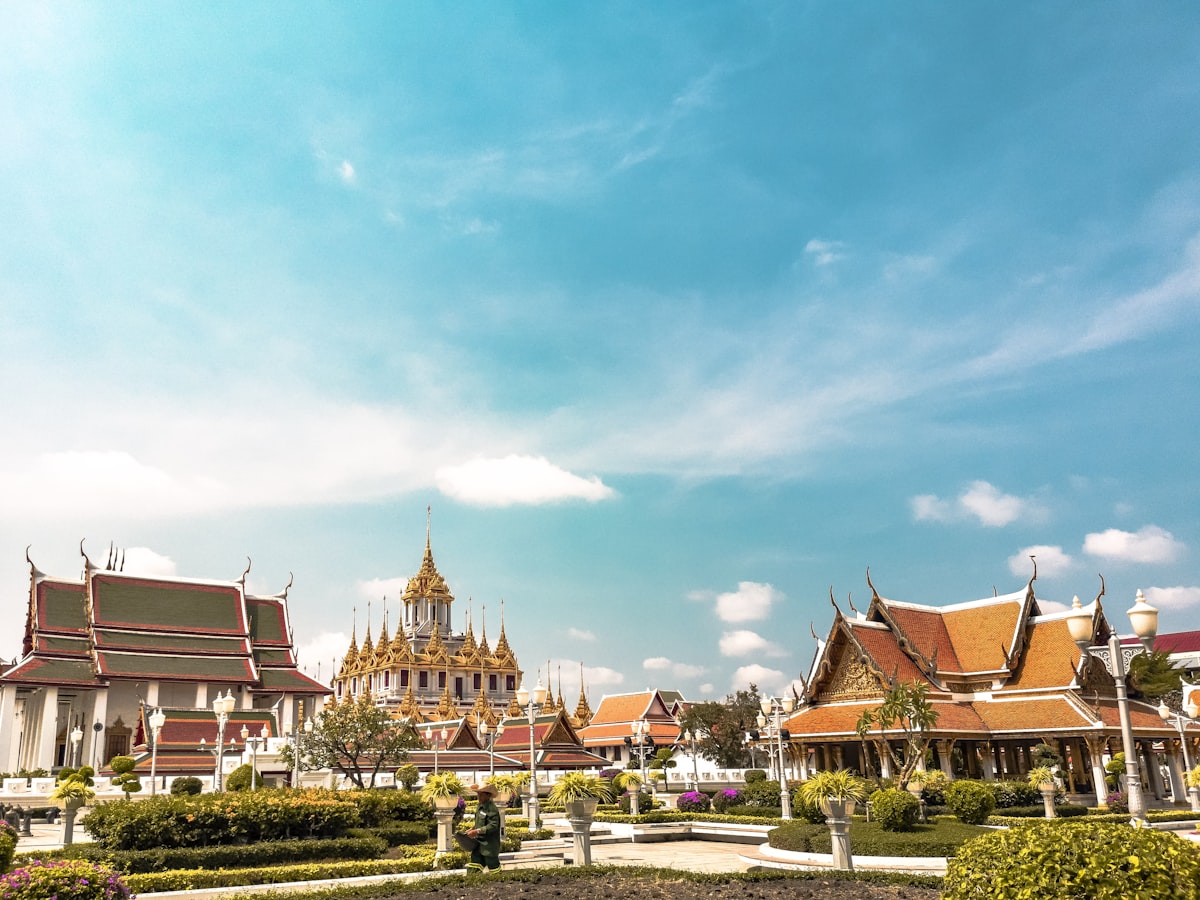
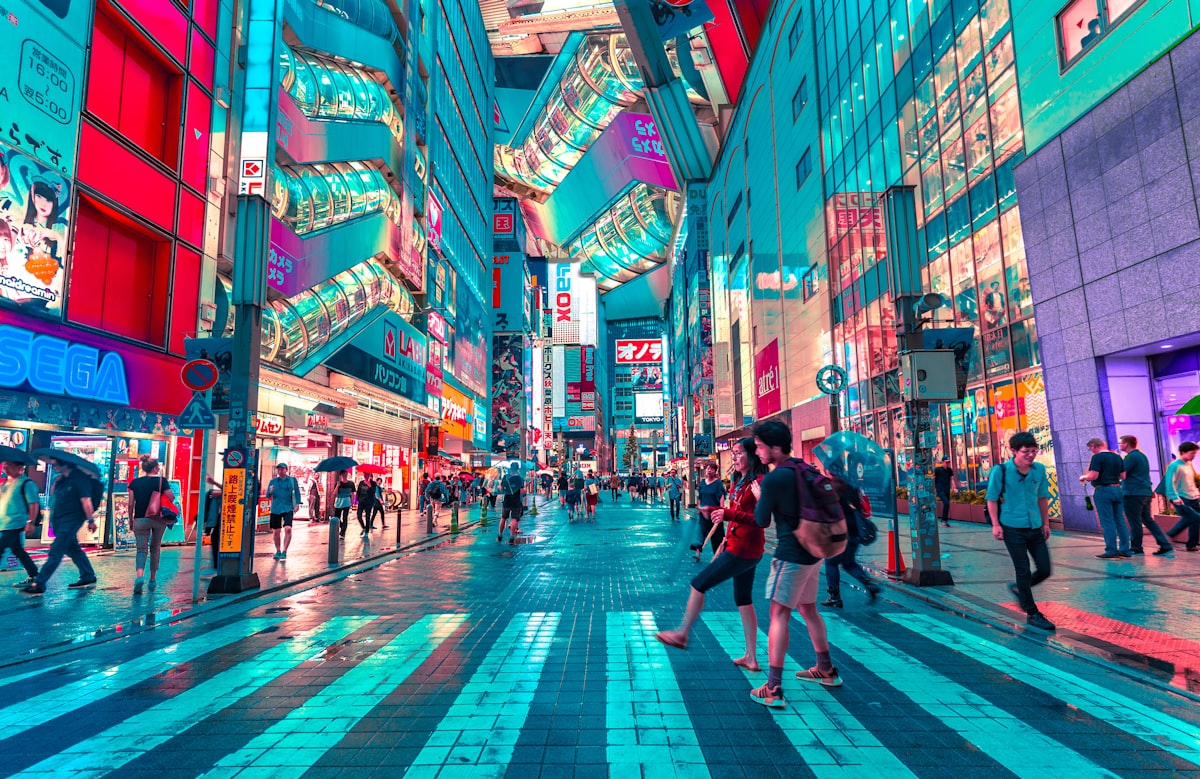
Split your time across districts. Shinjuku offers neon nightlife, department stores, and views from the Tokyo Metropolitan Government Building. Shibuya delivers youth culture and the famous crossing. Asakusa is home to Senso-ji Temple and traditional snack stalls. Akihabara suits electronics and anime fans. Harajuku and Omotesando combine fashion, design, and quieter side streets. Allocate at least two full days to Shinjuku and Shibuya combined, one to Asakusa and Ueno museums, and half-days to Harajuku or Akihabara depending on your interests rather than cramming everything daily.
Food is a highlight — try ramen in small shops, conveyor-belt sushi, izakaya alleys in Omoide Yokocho, and depachika food halls under department stores. Many restaurants use ticket machines at the entrance; carry some yen as backup even though cards are increasingly accepted. Convenience store onigiri and egg sandwiches are surprisingly good for quick breakfasts. Indian vegetarians should bookmark Indian restaurants in Nishi-Azabu and Koenji, but also learn to order tofu dishes, tempura, and onigiri — many ramen shops offer clear broth options when asked politely.
Get a Suica or Pasmo IC card for trains, buses, and even some vending machines. Tokyo's Metro and JR lines are efficient but operated by different companies — Google Maps or Japan Transit Planner helps enormously. Taxis are clean but expensive; use them late at night when trains are less frequent. English signage is common in central areas, but learning basic phrases is appreciated. Reload Suica or Pasmo at station machines using cash or card, and tap out correctly when switching between JR and Metro operators — small fare differences add up across a week of sightseeing.
Spring (cherry blossoms, late March–April) and autumn (foliage, November) are peak seasons — book hotels months ahead. Summer is hot and humid; winter is mild but crisp. Pack comfortable walking shoes; you will log many steps daily. Coin lockers at stations let you store bags between check-out and evening flights. Book hotels early for late March cherry blossoms and November foliage peaks; summer brings festivals but intense humidity, while winter offers clear skies and fewer crowds at major temples.
Etiquette matters: speak quietly on trains, do not eat while walking in crowded areas, and follow queue markings. Temples and shrines may require removing shoes or washing hands at chozuya fountains. Cash is still useful at smaller shrines and rural-style eateries. Tipping is not customary and can cause confusion. Carry a small rubbish bag because public bins are scarce, speak quietly on trains, and queue patiently at platforms — these small habits earn goodwill from locals used to considerate travellers.
Day-trip options include Nikko for temples and forest, Kamakura for the Great Buddha and coastal walks, and Hakone for hot springs and Mount Fuji views on clear days. Each is reachable by train within one to two hours. If you have ten days, pairing Tokyo with Kyoto by Shinkansen is the classic first Japan itinerary. If you have ten days total, pair Tokyo with Kyoto by Shinkansen for temples and geisha districts, or choose Nikko for forest shrines when you want nature without a domestic flight.
Accommodation near a major JR or Metro interchange — Tokyo Station, Shinjuku, Shibuya, or Ueno — saves time daily. Capsule hotels, business hotels, and boutique ryokan-style stays suit different budgets. Laundry services and coin laundries are easy to find if you pack light. Tax-free shopping is available for tourists at many department stores — bring your passport. Pocket Wi-Fi or eSIM data helps navigation immensely. Trash bins are scarce; carry a small bag for rubbish until you find a convenience store bin.
Before departure, download offline maps, save hotel addresses in Japanese, and compare flights early on KAYAK for seasonal spikes around Golden Week and New Year. Tokyo rewards patient explorers — leave room in your schedule for a random depachika tasting or a quiet evening in a neighbourhood sento bath. For Indian vegetarians, temple towns and Indian restaurants in Nishi-Azabu and Koenji help, but learning to order tofu, tempura, and onigiri goes a long way. Cash remains useful at shrines and rural-style eateries. Compare multi-city flights on KAYAK if pairing Tokyo with Osaka or Sapporo.