Chardham Yatra 2026: Route, Sightseeing, Budget & Travel Guide
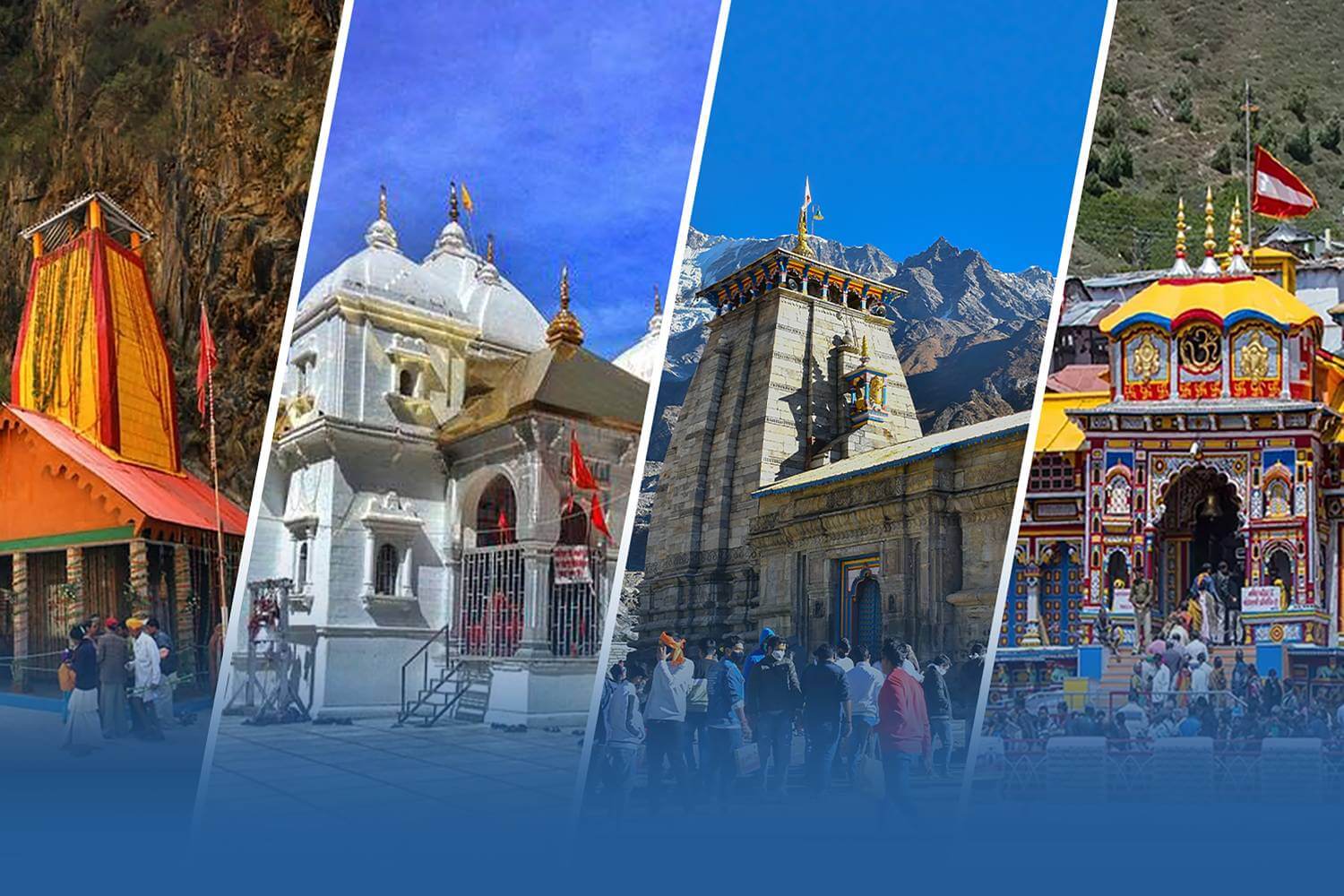
Is it your first Chardham Yatra? Then you probably have more questions than just Which temples will I visit? Where should you start? How much trekking is involved? Where should you stay? What will the trip cost? And are there actually interesting places to see between the four dhams?
The answer is yes! The Chardham Yatra in Uttarakhand is not just about visiting Yamunotri, Gangotri, Kedarnath and Badrinath. The journey takes you through beautiful valleys, river confluences, mountain villages and some seriously breathtaking Himalayan landscapes.
So, if you're planning a Chardham Yatra on a budget, here's everything you should know before you start packing.
Where Should You Start Your Chardham Yatra?
Wondering where the Chardham Yatra starts from? For most travellers Haridwar or Rishikesh is the most convenient starting point. Both have good connectivity, plenty of hotels and easy access to buses, shared taxis and tour operators heading towards the Char Dham route.
From here, the traditional sequence is:
Yamunotri → Gangotri → Kedarnath → Badrinath
If you have time, spend a day in Haridwar or Rishikesh before heading into the mountains. It gives you a relaxed start before the long road journeys begin.
Yamunotri: Ready for Your First Trek?
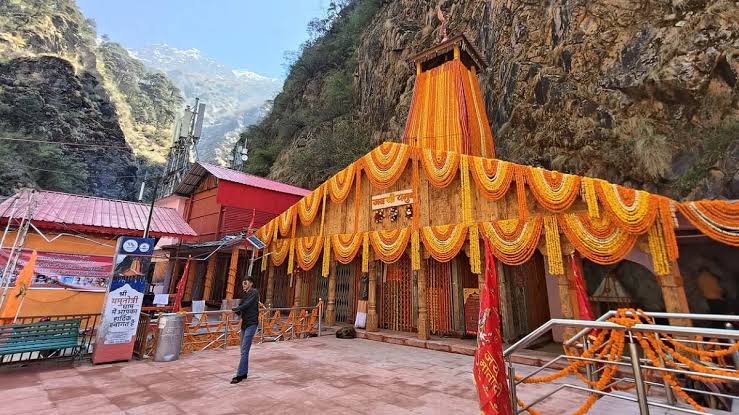
Yamunotri is traditionally the first dham on the route and this is where the walking begins. You can travel by road up to Janki Chatti followed by a trek of around 5–6 km one way to Yamunotri Temple.
Don't enjoy trekking? No problem. Ponies and palkis are available. But if you're reasonably fit, walking through the mountain landscape can be one of the most rewarding parts of the journey.
For a budget traveller: Walking is the cheapest option, while Barkot and Janki Chatti offer budget hotels, guest houses and dharamshalas.
One thing worth knowing: Start early, carry water and rain protection and wear comfortable shoes. Mountain weather can change quickly.
Gangotri & Harsil Valley: Slow Down and Enjoy the Mountains
Next comes Gangotri and thankfully, you don't have to tackle another long trek here. Gangotri Temple is accessible by road, making this a comparatively easier stop.
But don't just visit the temple and leave.
If you're looking for a beautiful sightseeing stop, Harsil Valley deserves a place on your itinerary. Surrounded by mountains and known for its apple orchards and the Bhagirathi River, Harsil is peaceful, scenic and perfect for slowing down after the long journey.
If you're short on time: Even a few hours in Harsil can be enough to enjoy the views and explore the area.
You can find budget hotels, guest houses and government accommodation in Gangotri and Harsil as well.
Kedarnath: How Long Is the Trek?
Now comes the question almost every first-time traveller asks:
Kedarnath trek kitne km ka hai?
From Gaurikund to Kedarnath the trek is roughly 16–18 km one way depending on the route and current trail conditions. Yes this is the most physically demanding section of the Chardham Yatra but it is also the one many travellers remember the most.
Before reaching Gaurikund, you'll pass through important places such as Rudraprayag, Guptkashi and Sonprayag.
Rudraprayag
At the meeting point of the Alaknanda and Mandakini rivers, Rudraprayag is an important stop on the route. If your schedule allows, take some time to enjoy the surroundings instead of treating it as just a transit point.
Dhaari Devi Temple: A Spiritual Stop on the Way
Dhaari Devi Temple situated along the Alaknanda River, is one of the significant temples associated with the Kedarnath route. Dedicated to Goddess Dhari, the temple is known for its striking riverside location and spiritual significance.
Don't just pass through: If your route and schedule allow, stopping here for darshan can add a meaningful experience to your journey. The temple's location surrounded by the river and mountains also makes it a memorable sightseeing stop.
Guptkashi
Guptkashi is a popular halt before Kedarnath and is known for the ancient Vishwanath Temple and beautiful mountain views. It is also a convenient place to spend a night before continuing towards Sonprayag.
Sonprayag
Once you reach Sonprayag you know the real Kedarnath adventure is about to begin. It is an important base for travellers heading towards Gaurikund and the Kedarnath trek.
One thing worth knowing: Don't underestimate this part of the journey. Carry proper trekking shoes, warm clothes, rain protection and essential medicines.
For budget stays, look for guest houses, camps and dharamshalas around Sonprayag, Gaurikund and Kedarnath. Shared accommodation can help keep your Chardham Yatra cost lower.
Badrinath & Mana Village: Don't Leave Yet!
After Kedarnath the journey takes you towards Badrinath, the final dham. Located beside the Alaknanda River, Badrinath Temple is surrounded by spectacular Himalayan scenery.
But here's a question: Are you really going to Badrinath and skipping Mana Village?
Located around 3 km from Badrinath, Mana is one of the most interesting additions to this part of the journey. Explore Vyas Gufa, Bheem Pul and the Saraswati River and take some time to enjoy the dramatic mountain landscape.
If it's your first trip: Keep a few hours aside for Mana instead of squeezing it into a rushed temple visit. This is one sightseeing stop you won't regret adding.
Badrinath has several budget hotels, guest houses, dharamshalas and government accommodation options.
Chardham Yatra on a Budget: How Can You Save?
You don't need an expensive package or a private car to complete the journey.
For a budget Chardham Yatra, shared taxis and buses are generally more economical than hiring a private vehicle throughout the trip. Compare hotels with guest houses, dharamshalas and government accommodation before booking.
A few easy ways to save
Choose shared transport wherever practical.
Book your stay early during the peak pilgrimage season.
Carry warm clothes, rainwear, medicines and comfortable shoes.
Carry a reusable water bottle and basic snacks for long journeys.
Keep some cash for smaller towns and local purchases.
Don't overpack—you'll appreciate travelling light on mountain roads.
Before You Leave: Don't Forget These Things
Chardham registration is mandatory, so complete the required registration before starting your journey. Also check the latest temple opening dates, weather forecasts, road conditions and travel advisories before you leave.
And remember this isn't a regular holiday where you can plan every hour perfectly. Mountain weather and road conditions can change, so keep some flexibility in your itinerary.
Save this tip: Don't make your Chardham trip only about ticking four temples off a list. Stop at Rudraprayag, enjoy Harsil, take in the views around Guptkashi, experience the energy of Sonprayag and spend some unhurried time in Mana.
Because on a Chardham Yatra the journey between the destinations can be just as memorable as the destinations themselves.
So, whether you start from Haridwar or Rishikesh pack your comfortable shoes, warm layers and a little patience and get ready for a Himalayan journey that you'll remember long after the darshan is over.